
Saltwater Intrusion Solutions in Southwest Florida
Protect Your Coastal Home & Well Water
Saltwater intrusion occurs when saltwater moves into freshwater aquifers and affects groundwater supplies. This is an important concern for well owners in coastal areas of Southwest Florida. Changes in groundwater levels, heavy well pumping, drought, and coastal conditions can all increase the risk.
If saltwater reaches your well, you may notice changes in taste, increased sediment levels, or corrosion of plumbing and appliances. Certain Services, Inc., provides professional saltwater intrusion solutions, including water testing, filtration system design, and reverse osmosis desalination.
Contact our professionals today to schedule your water consultation. Since 2009, Certain Services has worked to address the unique water problems found throughout Southwest Florida. If you’re concerned about saltwater intrusion, we can offer durable solutions.
How To Identify Saltwater Intrusion
Saltwater intrusion can be difficult to spot without water testing, but there are several warning signs homeowners may notice. Common signs include:
- A salty or brackish taste in drinking water
- Changes in the taste of coffee, tea, or food
- Faster corrosion of faucets, pipes, and fixtures
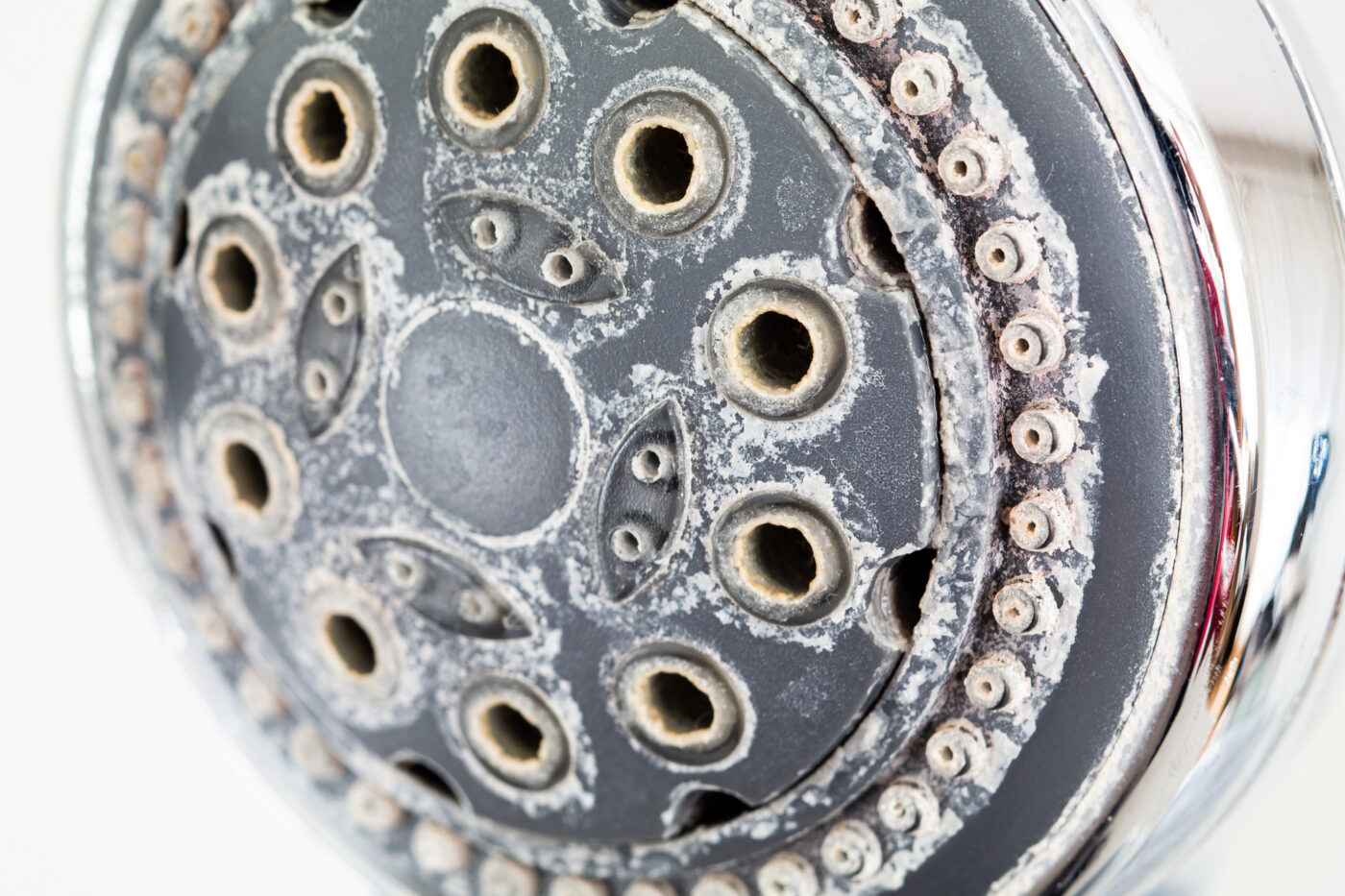
- White or crusty mineral buildup
- Damage or yellowing to lawns and plants irrigated with well water
- Changes in overall water quality
How Does Saltwater Intrusion Occur?
Saltwater intrusion happens when saltwater moves into a freshwater aquifer. In coastal areas, this can occur when groundwater levels drop and the natural balance between fresh water and saltwater changes. Heavy groundwater pumping, drought, and other changes in water levels can increase the risk.
Once saltwater reaches a well, higher levels of sodium and chloride can make the water more corrosive. Over time, this may damage pipes, fixtures, water heaters, and other water-using appliances.

The High Cost of Chloride Corrosion
How Saltwater Can Damage Plumbing and Appliances
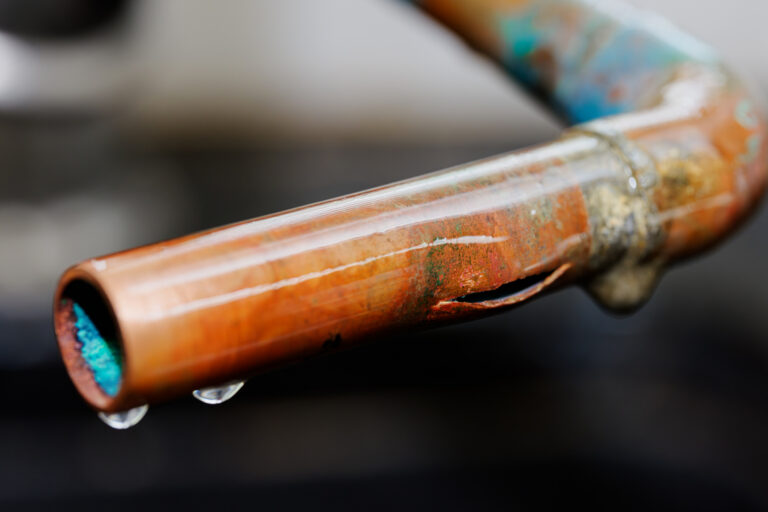
High chloride levels can make well water more corrosive. Over time, this can damage metal plumbing, fixtures, and appliances. Signs of chloride-related corrosion may include:
- Pinhole leaks in pipes
- Pitting or corrosion on metal fixtures
- Premature water heater failure
- Rust or deterioration around plumbing connections
- More plumbing repair needs
For Southwest Florida homeowners, ignoring warning signs like a salty taste to water can lead to thousands of dollars in emergency repiping costs and appliance replacements.
Get Help With Florida Saltwater Intrusion
If you suspect saltwater intrusion is affecting your well, professional testing is the best place to start. Certain Services, Inc., can test for total dissolved solids (TDS), chloride, and other water conditions to determine the extent of the problem.
For homeowners concerned about saltwater intrusion in South Florida, early testing can also support saltwater intrusion prevention by identifying rising salt levels before they cause serious plumbing or appliance damage.
Our water specialists will explain your results and recommend the right treatment for your home. Depending on your water, this may include a customized reverse osmosis desalination system or another whole-home water filtration option.
With years of experience serving Southwest Florida, you can trust Certain Services for professional testing, installation, maintenance, and ongoing support. Contact us today to schedule a water analysis and learn more about treating saltwater intrusion in your well. We provide comprehensive water quality solutions to coastal communities, from water softeners to drinking water systems.